Hilda Bailey says her late husband, Parker, paid dues to the Waltham Police Relief Association for decades, and she has not received thousands of dollars in death benefits she says she is owed.
Inside her son's home in Waltham, Massachusetts, Hilda Bailey looked around and described a room filled with memories from a lifetime in law enforcement.
She pointed to her late husband's rookie photo, when Parker Bailey first became a police officer.
Stream NBC10 Boston news for free, 24/7, wherever you are.
 WATCH HERE
"He looks like a little boy," Hilda said with a smile.
Parker spent more than 30 years with the Waltham Police Department before retiring in 1998.
Hilda was the police officer's partner in crime at home for more than six decades. When his health started to decline, she recalled how her husband made sure she knew there would be some money she received after his death.
"I was his goddess," Hilda said with a laugh. "I was his pride and joy. He always wanted to make sure I was well taken care of."
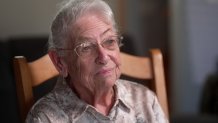
When Parker passed away in July 2024, his wife expected $10,000 in benefits from the Waltham Police Relief Association. The police officer had paid dues as a member of the organization and served on the nonprofit's board during his years on the force.
However, when Hilda said she reached out to the WPRA, she did not hear back. The widow then said she sent a certified letter to the organization, but said she still did not get a response.
"I was quite disappointed," Hilda said. "I figured, at least, I deserved a phone call or a letter or some response. At least something to show they care. But not a word."
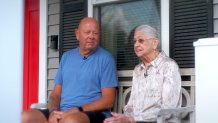
Hilda's son, Jon Bailey, followed in his father's footsteps and served more than three decades with the Waltham Police Department. Jon had also volunteered on the WPRA board and figured he would have better luck getting an answer for his mom. He was wrong.
"It kind of eats at me inside, because this is money that my dad had told my mother that she was getting," Jon said. "And then when I go to the association to find out why, I can't get a straight answer."

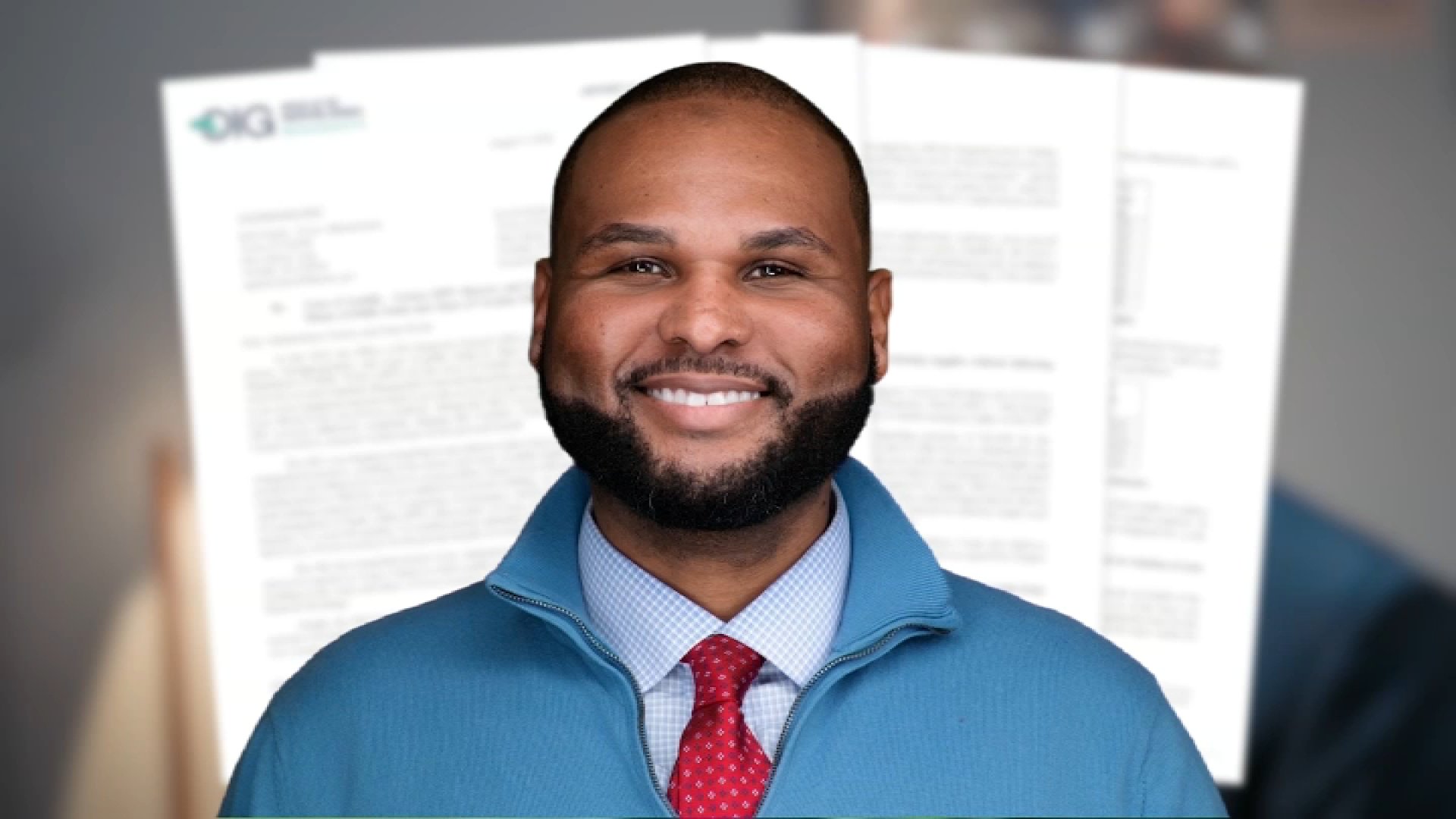
Jon contacted the NBC10 Boston Investigators and asked us to review his mom's situation.
Tax documents the nonprofit filed with the IRS show an organization in strong financial health. In the most recent tax year, the total asset balance hovered at about $1.4 million.
However, accountants who reviewed the tax documents for NBC10 Boston did raise questions about one category in the listed expenses.
Despite a mission statement of "providing welfare benefits to member and former members of the Waltham Police Department," the last five years of annual tax filings show $0 in the expense line item of "benefits paid to or for members."
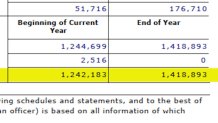
It is unclear on the tax forms if member benefits are included in some other category. The nonprofit finished in the black on its most recent tax filings, bringing in about $176,000 more than it spent in 2025.
NBC10 Boston contacted the WPRA to ask about Hilda's situation and some of the questions surrounding the tax documents. When we did not get a response, we stopped by the police department headquarters earlier this month.
The organization's president, Officer Ann Frassica, told NBC10 Boston the WPRA is a "private entity" and it does not discuss member benefits. Frassica also said the nonprofit is not subject to public records laws that govern agencies like municipal police departments.
Agency bylaws provided by Jon from 2005 indicate members could collect a benefit upon retirement and then designate a beneficiary for a separate benefit upon the member's death.
Parker received $10,000 when he retired in 1998 and had named his wife as the beneficiary of another $10,000 when he passed away, according to Jon.
"It's a bad feeling in my stomach that we should be treated, or anybody on that department should be treated, this way," Jon said. "They paid into this association. They're entitled to the benefit."
The NBC10 Boston Investigators have tracked down family members of other Waltham police officers who died in the past several years. They also reported an inability to receive a payout for the nonprofit death benefits.
The Massachusetts Attorney General's Office provides oversight of charities and nonprofits. According to an agency spokesperson, the WPRA is considered a noncharitable nonprofit organization. Unlike public charities, this means the WPRA is not required to submit annual filings to the AG's online nonprofit database.
Anyone having an issue can file a complaint with the AG's office online or by calling (617) 727-8400.
Hilda wonders how long she will be waiting to receive the death benefit her late husband had planned to provide.
"Pay me what I'm due," she said. "That would be the right thing."